
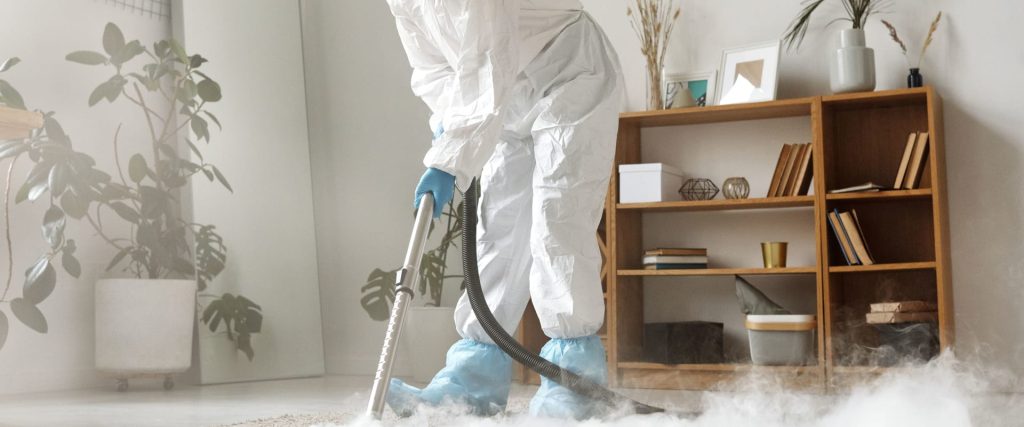
It’s movie night, someone reaches for the remote, and a mug of coffee tips straight onto the couch cushion. Fabric lounges sit at the centre of family life, which also makes them magnets for food and drink accidents. Quick home action can lift most fresh spills, but set-in marks and delicate fabrics sometimes need professional upholstery cleaning to resolve fully. This field guide covers what you can do in the moment, stain by stain.
The First 60 Seconds Matter Most
Speed is your biggest advantage. A fresh spill sits on the surface of the fibres, where it’s easy to lift. Left for hours, it soaks deeper and bonds with the fabric, which is when a temporary mess becomes a lasting stain.
The golden rule is to blot, never rub. Rubbing pushes the liquid further into the weave and spreads the mark wider. It also frays and roughens the fibres, leaving a dull patch even after the colour is gone.
Grab a clean, white cloth or paper towel and press gently from the outside edge of the spill inwards. Keep moving to a dry section of cloth as it absorbs the liquid. Work patiently until no more transfers.
Understand Your Fabric Code Before You Treat
Most lounges carry a cleaning code, usually printed on a tag under a cushion. It tells you what the manufacturer says is safe:
- W – safe with water-based cleaning solutions.
- S – use solvent-based cleaners only; water may cause rings or shrinkage.
- WS – both water and solvent methods are acceptable.
- X – vacuum only; no water or solvent, professional care needed.
Whatever the code, always test your chosen cleaning method on a hidden area first, such as the back of the lounge or an inside seam. Wait a few minutes and check for colour change, watermarking or fibre damage before you touch the visible stain. This one step protects you from turning a small problem into an expensive one.
Coffee, Tea, Wine, Sauce, Chocolate and Grease
Different stains behave differently, so the approach shifts with each one.
Coffee and tea leave a brown tannin mark. Blot up as much liquid as you can, then dab with cool water and a tiny amount of mild dish soap. Rinse the cloth often and keep blotting until the colour fades.
Red wine is one of the toughest. Blot immediately, then cover the mark with a light sprinkle of salt to draw out moisture while you prepare a cool water solution. Never apply hot water, which can set the pigment permanently.
Tomato-based sauces carry both colour and oil. Lift any solids with a spoon first, then blot with cool soapy water. These stains often need several gentle passes rather than one aggressive scrub.
Chocolate and greasy foods leave an oily residue that plain water won’t touch. Scrape off the solid part, then work from the edges with a small amount of solvent-safe cleaner appropriate to your fabric code, blotting steadily.
Sugary Drinks, Juice and Soft Drink
Juice and soft drink dry into a sticky, sometimes coloured residue that attracts dirt over time. Even if the visible stain seems minor, the sugar left behind keeps grabbing at dust and grime.
Blot the spill promptly, then clean the area with cool water and a mild detergent to lift the sugar completely. Follow with a clean, damp cloth to rinse, then blot dry. If you skip the rinse, a faint sticky patch remains that darkens as it collects debris.
Home Remedy Mistakes That Make Things Worse
Well-meaning fixes often cause more harm than the original spill. Watch out for these common traps:
- Using hot water on protein or tannin stains, which sets them into the fibres.
- Over-wetting the cushion, which pushes the stain deeper and risks mould or watermarks.
- Scrubbing hard, which damages the pile and spreads the mark.
- Mixing cleaning products, which can create fumes or bleach the fabric.
- Skipping the patch test, which can leave a permanent bleached ring.
When in doubt, less is more. A gentle, repeated approach beats one harsh attempt almost every time.
When a Stain Won’t Budge
Some stains simply won’t lift at home, no matter how careful you are. Older, set-in marks, dark pigments on light fabric, and delicate or solvent-only materials often reach the limit of what a cloth and mild cleaner can achieve.
It’s time to call in professional extraction when the stain has faded but not gone, when it keeps returning after drying, or when the fabric code warns against water and solvents. Professional equipment reaches deep into the padding and pulls moisture and residue back out, rather than just treating the surface. Knowing when to stop protects both the look and the lifespan of your lounge.
Food and drink spills are only one of the challenges a well-used family lounge faces. For many WA households, the bigger ongoing issue isn’t a single spill at all, but the steady build-up left behind by the family’s four-legged members. Tackling embedded hair, dander and lingering odours from couches calls for a different set of techniques altogether.