
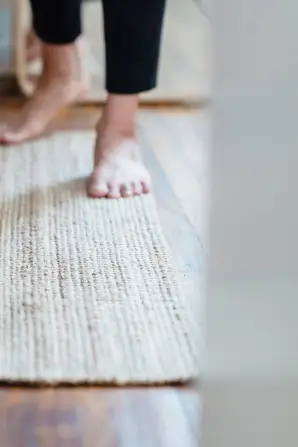
Once the equipment is out the door, most homeowners ask the same thing: when can I walk on my carpets again? Drying time is one thing worth asking your carpet cleaners in Mandurah about, because it’s the part that affects your day the most – and in Mandurah, the local climate makes it a question worth answering on its own. Sitting between the ocean and the estuary, homes here deal with humidity levels that can stretch a simple drying window into something longer than expected.
Typical Drying Times and What Determines Them
After a professional clean, most carpets are dry to the touch within four to eight hours. In good conditions, some are walkable in as little as two or three hours. Others – especially thick or heavily soiled carpets – can take up to twelve hours or more to fully dry underneath.
That range is wide because so many factors feed into it. The amount of moisture used, how well it was extracted, the carpet material, the airflow in the room and the weather outside all combine to set the pace. No two rooms dry at exactly the same rate, which is why a single fixed number rarely tells the whole story.
How Mandurah’s Coastal Humidity Affects Drying Speed
Air can only hold so much moisture. When the surrounding air is already damp, carpets release water more slowly because there’s less room for that moisture to evaporate into. This is where Mandurah’s location matters.
Our coastal and estuary setting keeps humidity relatively high through much of the year. In the cooler, wetter months, indoor air stays heavier for longer, and carpets can take noticeably more time to dry. In the warmer, drier stretches of summer, evaporation happens faster and drying times shorten. Even the time of day makes a difference – mornings and evenings often carry more moisture than the middle of a dry afternoon.
The Role of Airflow, Ventilation and Temperature
Moving air is the single most effective way to speed up drying. Still, humid air sitting over damp carpet slows everything down, while a steady breeze carries moisture away and lets fresh, drier air take its place.
Temperature works alongside airflow. Warmer air holds and moves moisture more readily, so a comfortably warm, well-ventilated room dries faster than a cool, closed-up one. On a mild Mandurah day, opening windows on opposite sides of the house can create cross-flow that makes a real difference. On damp or rainy days, indoor climate control often does a better job than open windows.
Carpet Type, Pile and Underlay
What your carpet is made of shapes how long it holds water. A few common factors:
- Fibre type: Synthetic fibres tend to release moisture and dry faster, while natural fibres like wool absorb more and take longer.
- Pile thickness: Dense, deep-pile carpets trap more water than low, flat weaves, so they need more time.
- Underlay: The padding beneath the carpet can hold moisture out of sight, which is why a surface that feels dry may still be damp underneath.
This is also why heavily used areas and thicker rugs sometimes lag behind the rest of a room.
Practical Steps to Help Carpets Dry Faster and Safely
You can do plenty to encourage even, safe drying. A few simple habits go a long way:
- Keep gentle airflow moving with ceiling fans or portable fans aimed across the carpet, not directly down onto one spot.
- Open windows when the outside air is dry, or run air conditioning on drier or humid days to pull moisture from the air.
- Avoid replacing furniture until the area is fully dry, so nothing traps dampness or leaves marks.
- Keep foot traffic to a minimum, and if you must cross a damp area, wear clean socks rather than shoes or bare feet.
- Resist the urge to lay rugs or mats back down early, as they slow drying underneath.
A little planning around the clean makes this easier. Some of the same thinking that goes into getting your home ready beforehand – clearing space and thinking about airflow – pays off again during the drying phase.
Signs Your Carpet Is Fully Dry Versus Still Damp Underneath
A carpet can feel dry on top while the base and underlay still hold moisture. To check properly, press a folded dry towel or the palm of your hand firmly into the pile and hold it for a few seconds. If it comes away with any dampness, the carpet needs more time.
Other clues include a cool feel underfoot, a faint musty smell, or condensation on nearby hard surfaces. When the carpet feels completely dry at the base, sits at room temperature and smells fresh, it’s ready for normal use again.
Letting carpets stay damp for too long isn’t just inconvenient. Trapped moisture can encourage odours and unwanted growth in the fibres and underlay, which undoes the benefit of the clean. Giving carpets the time and airflow they need protects the result you paid for.
Understanding drying times takes the guesswork out of a clean. When you know roughly how long to expect and how to help the process along, you can plan around it with barely any disruption to your routine. In a climate like Mandurah’s, that patience matters – proper drying is what keeps your carpets fresh, healthy and looking their best long after the cleaners have gone.